
Magnesium Die Casting in India: Uses and Advantages

Magnesium die casting is a manufacturing process that has gained significant traction in recent years, especially in India. This technique involves injecting molten magnesium into a mold to create lightweight, durable, and complex metal parts. The growing demand for magnesium die casting in India is driven by its numerous applications and benefits across various industries. This article explores the uses and advantages of magnesium die casting, highlighting why it is becoming a preferred choice for manufacturers.
What is Magnesium Die Casting?
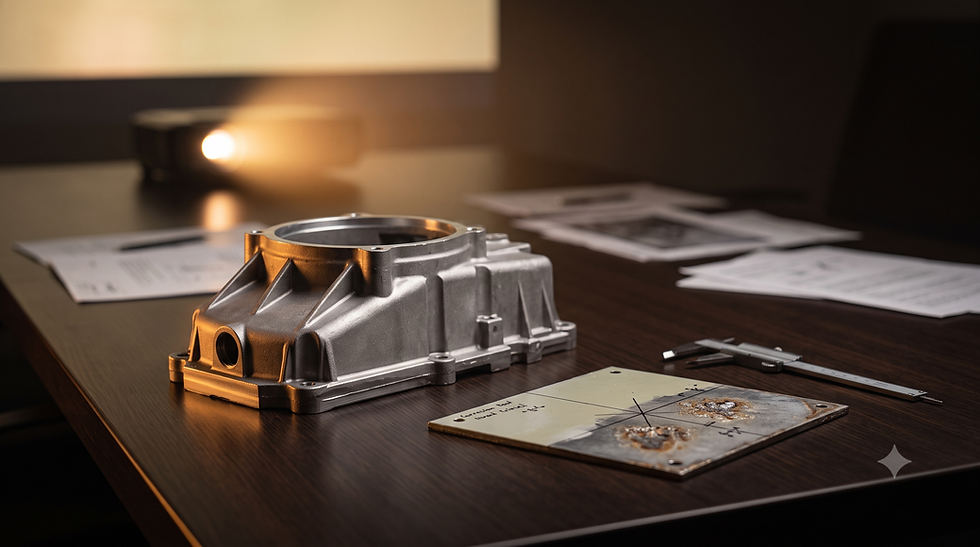
Magnesium die casting is a metal casting process where molten magnesium is forced into a steel mold under high pressure. The mold, also known as a die, shapes the metal into precise and intricate components. Magnesium, being the lightest structural metal, offers unique properties that make it ideal for die casting.
The process typically involves the following steps:
Melting magnesium alloy in a furnace.
Injecting the molten metal into the die cavity.
Allowing the metal to cool and solidify.
Ejecting the finished part from the die.
This method allows for high-volume production of parts with excellent surface finish and dimensional accuracy.

Uses of Magnesium Die Casting
Magnesium die casting is widely used in industries where lightweight and strength are critical. Some of the primary applications include:
Automotive Industry
The automotive sector benefits greatly from magnesium die casting due to the metal’s lightweight nature. Components such as engine blocks, transmission cases, steering wheels, and seat frames are commonly made using this process. Reducing the weight of vehicles improves fuel efficiency and lowers emissions, which is a major focus for manufacturers today.
Electronics and Consumer Goods
Magnesium die casting is popular in the electronics industry for producing casings and structural parts for laptops, cameras, smartphones, and other portable devices. The metal’s excellent strength-to-weight ratio ensures durability without adding bulk.
Aerospace and Defense
In aerospace, magnesium die casting is used to manufacture parts that require high strength and low weight, such as aircraft interior components and drone frames. The defense sector also uses magnesium parts for lightweight equipment and vehicle components.
Industrial Machinery
Magnesium die casting parts are used in industrial machinery for housings, brackets, and other components that benefit from reduced weight and enhanced mechanical properties.
Sports Equipment
Sports equipment manufacturers use magnesium die casting to produce lightweight bicycle frames, golf clubs, and other gear that require strength and durability.
Advantages of Magnesium Die Casting
Magnesium die casting offers several advantages that make it a preferred manufacturing method:
Lightweight
Magnesium is approximately 35% lighter than aluminum and 75% lighter than steel. This significant weight reduction is crucial in industries like automotive and aerospace, where every kilogram saved contributes to better performance and efficiency.
High Strength-to-Weight Ratio
Despite its lightness, magnesium alloys provide excellent mechanical strength. This combination allows manufacturers to produce parts that are both strong and lightweight, improving overall product performance.
Excellent Thermal Conductivity
Magnesium has good thermal conductivity, which helps in applications requiring heat dissipation, such as electronic housings and automotive engine parts.
Cost-Effective Production
Magnesium die casting enables high-volume production with minimal waste. The process is fast and efficient, reducing labor and material costs. Additionally, magnesium alloys are relatively inexpensive compared to other lightweight metals.
Superior Dimensional Accuracy and Surface Finish
The die casting process produces parts with tight tolerances and smooth surfaces, reducing the need for secondary machining or finishing operations.
Recyclability
Magnesium is highly recyclable, making it an environmentally friendly choice. Scrap from die casting can be re-melted and reused without significant loss of quality.
Challenges and Considerations in Magnesium Die Casting
While magnesium die casting offers many benefits, there are some challenges and considerations to keep in mind:
Corrosion Resistance: Magnesium is prone to corrosion, especially in humid or salty environments. Protective coatings or alloying elements are often used to enhance corrosion resistance.
Flammability: Magnesium is highly flammable in powder or thin strip form. Proper safety measures and equipment are essential during melting and casting.
Design Limitations: Although die casting allows complex shapes, certain design features may require careful planning to avoid defects like porosity or shrinkage.
Tooling Costs: Initial investment in high-quality dies can be expensive, but this cost is offset by the efficiency of mass production.
Why India is Emerging as a Hub for Magnesium Die Casting
India’s manufacturing sector is rapidly evolving, and magnesium die casting is becoming a key area of growth. Several factors contribute to this trend:
Skilled Workforce: India has a large pool of skilled engineers and technicians experienced in die casting technologies.
Cost Advantages: Competitive labor and material costs make India an attractive destination for magnesium die casting production.
Growing Automotive and Electronics Markets: The expanding automotive and electronics industries in India drive demand for lightweight components.
Government Initiatives: Policies promoting manufacturing and exports support the growth of die casting facilities.
Technological Advancements: Indian manufacturers are adopting advanced machinery and quality control systems to meet global standards.
For companies looking to leverage these benefits, partnering with reliable magnesium die casting india providers can ensure access to quality components at competitive prices.
Future Trends in Magnesium Die Casting
The future of magnesium die casting looks promising with ongoing innovations:
New Alloy Developments: Research into improved magnesium alloys aims to enhance strength, corrosion resistance, and castability.
Hybrid Manufacturing: Combining die casting with additive manufacturing techniques to create complex, lightweight parts.
Sustainability Focus: Increased emphasis on recycling and eco-friendly production methods.
Automation and Industry 4.0: Integration of smart manufacturing technologies to improve efficiency and quality control.
These trends will further expand the applications and advantages of magnesium die casting in India and worldwide.
Magnesium die casting is a versatile and efficient manufacturing process that offers significant benefits across multiple industries. Its lightweight nature, strength, and cost-effectiveness make it an ideal choice for producing high-quality components. With India emerging as a key player in this field, businesses can tap into the expertise and resources available to meet their production needs. Whether for automotive, electronics, aerospace, or industrial applications, magnesium die casting continues to drive innovation and performance improvements.


Comments